

E319 - Turns out Space is still a Human Factors Problem
 YouTube YouTube
  RSS Feed RSS Feed
  Apple Podcasts Apple Podcasts
  Spotify Spotify
  iHeartRadio iHeartRadio
  Amazon Music Amazon Music
  Overcast Overcast
  Castro Castro
  PocketCasts PocketCasts
  Castbox Castbox
  Podchaser Podchaser
  TuneIn TuneIn
  Deezer Deezer
  Pandora Pandora
  RadioPublic RadioPublic
  Podcast Addict Podcast Addict YouTube YouTube RSS Feed RSS Feed Apple Podcasts Apple Podcasts Spotify Spotify iHeartRadio iHeartRadio Amazon Music Amazon Music Overcast Overcast Castro Castro PocketCasts PocketCasts Castbox Castbox Podchaser Podchaser TuneIn TuneIn Deezer Deezer Pandora Pandora RadioPublic RadioPublic Podcast Addict Podcast Addict
 Episode Link: https://www.humanfactorscast.media/319
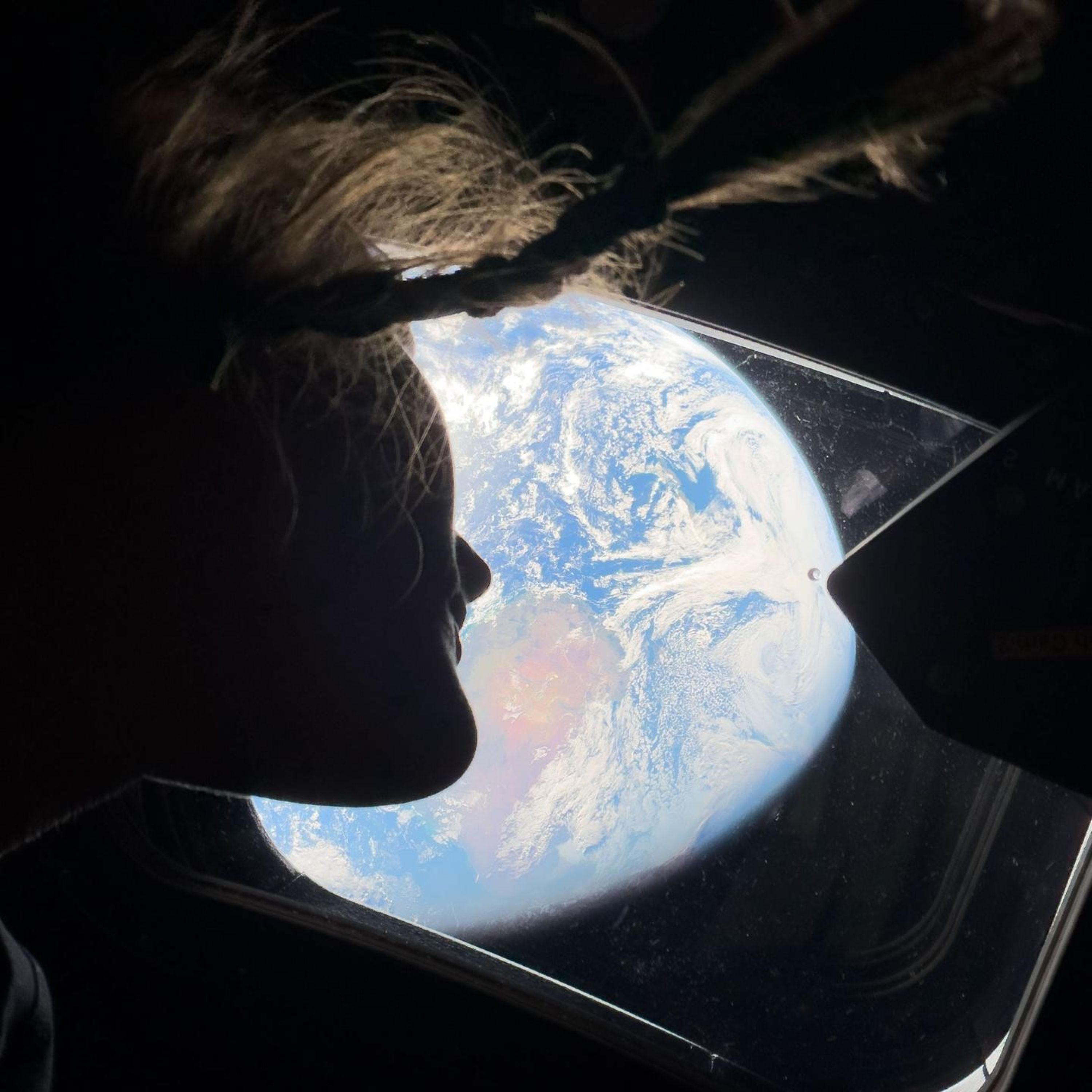
This week on the show we discuss Artemis II’s 10-day crewed mission around the Moon as a major milestone and a human factors reality check. From core issues of living and working in Orion’s cramped space—limited privacy, disrupted sleep, fatigue, team dynamics, autonomy, tight workload, and the gap between engineering readiness and human readiness—to post-landing physical effects and recovery logistics. We examine NASA’s communications and public transparency, including live visuals, commentary, and openness about problems. Specific incidents include a clogged/frozen wastewater vent line that was fixed by orienting the capsule toward the Sun, and a crew email issue involving two versions of Outlook.
View the full article here: https://www.humanfactorscast.media/blog/artemis-ii-and-human-factors-in-deep-space/
Support us:
- Patreon: https://www.patreon.com/humanfactorscast
- Buy us a coffee: https://www.buymeacoffee.com/hfactorspodcast
- Merchandise Store: https://www.humanfactorscast.media/p/Store/
Human Factors Cast Socials:
- Join us on Discord: https://go.humanfactorscast.media/Discord
- Twitch: https://twitch.tv/HumanFactorsCast
- YouTube: https://www.youtube.com/HumanFactorsCast
- LinkedIn: https://www.linkedin.com/company/humanfactorscast
- Twitter: http://www.twitter.com/HFactorsPodcast
- Facebook: https://www.facebook.com/HumanFactorsCast
- Our official website: www.humanfactorscast.media
Reference:
- Our tools and software: https://www.humanfactorscast.media/p/resources/
- Our Ethics Policy:https://www.humanfactorscast.media/p/ethics-policy/
- Logo design by E Graphics LLC: https://egraphicsllc.com/
- Music by Kevin McLeod: https://incompetech.com/music/royalty-free/
Feedback:
- Have something you would like to share with us? (Feedback or news): https://go.humanfactorscast.media/feedback
Disclaimer: Human Factors Cast may earn an affiliate commission when you buy through the links here!
Mentioned in this episode:
1202 - The Human Factors Podcast
Listen here: https://www.1202podcast.com
Listen to Human Factors Minute
Step into the world of Human Factors and UX with the Human Factors Minute podcast! Each episode is like a mini-crash course in all things related to the field, packed with valuable insights and information in just one minute. From organizations and conferences to theories, models, and tools, we've got you covered. Whether you're a practitioner, student or just a curious mind, this podcast is the perfect way to stay ahead of the curve and impress your colleagues with your knowledge. Tune in on the 10th, 20th, and last day of every month for a new and interesting tidbit related to Human Factors. Join us as we explore the field and discover how fun and engaging learning about Human Factors can be! https://www.humanfactorsminute.com https://feeds.captivate.fm/human-factors-minute/
Let us know what you want to hear about next week by voting in our latest "Choose the News" poll!
Follow us:
- Nick: https://www.twitter.com/Nick_Roome
- Barry: https://twitter.com/Baz_k
- Blake: https://www.instagram.com/dontpanicux/
- Join us on Discord:https://go.humanfactorscast.media/Discord
Thank you to our Human Factors Cast Honorary Staff Patreons:
- Michelle Tripp
- Neil Ganey
Support us:
- Patreon: https://www.patreon.com/humanfactorscast
- Buy us a coffee: https://www.buymeacoffee.com/hfactorspodcast
- Merchandise Store: https://www.humanfactorscast.media/p/Store/
Human Factors Cast Socials:
- Twitch: https://twitch.tv/HumanFactorsCast
- YouTube: https://www.youtube.com/HumanFactorsCast
- LinkedIn: https://www.linkedin.com/company/humanfactorscast
- Twitter: http://www.twitter.com/HFactorsPodcast
- Facebook: https://www.facebook.com/HumanFactorsCast
- Our official website: www.humanfactorscast.media
Reference:
- Our tools and software: https://www.humanfactorscast.media/p/resources/
- Our Ethics Policy:https://www.humanfactorscast.media/p/ethics-policy/
- Logo design by E Graphics LLC: https://egraphicsllc.com/
- Music by Kevin McLeod: https://incompetech.com/music/royalty-free/
Feedback:
- Have something you would like to share with us? (Feedback or news):
Disclaimer: Human Factors Cast may earn an affiliate commission when you buy through the links here.
(A) E319 - Turns out Space is still a Human Factors Problem
===
[00:00:00] Nick Roome: Hello and welcome everybody to another episode of Human Factors Cast. This is episode three. Hi Teen. We're recording this episode live for you on April 16th, 2026. As I mentioned, this is Human Factors Cast. I'm your host, Nick Rome. I'm joined today by Mr. Barry Kirby.
[00:00:16] Barry Kirby: Hi, Nick. Great to be back.
[00:00:19] Nick Roome: Great to have you back as well.
[00:00:21] Nick Roome: ~Uh, ~we got an awesome show for you lined up today. I think space is becoming the new ai, ~um, ~because we are talking about it a whole lot lately. ~Um, ~and so we're gonna be talking about some space stuff, so that's exciting. ~Uh, ~but first we got some programming notes and community updates. ~Um, ~some exciting news about human factors.
[00:00:40] Nick Roome: Cast is coming up very soon. Not at liberty to say quite yet what it is. ~Um, ~potentially next episode, ~uh, ~which is in just two weeks time. But if you want to hear that news early, and I think you do, this is a big one. ~Uh, ~join us on Patreon. Those, ~um, ~those who are subscribed on Patreon, we'll get the news first.
[00:00:58] Nick Roome: And let's say there's, ~uh, ~[00:01:00] there's some kickback for patrons too as part of this news. It's not only exclusively Patreon, but, ~uh, ~there, there is some benefits to those who are subscribing to us on Patreon. If, ~uh, ~if they hear this news. ~Um, ~okay, if that wasn't enough of a tease, there's some cool news coming, please just look out for it and, ~uh, ~become a patron if you want to help support that.
[00:01:19] Nick Roome: ~Uh, ~Barry, what's going on over at 1202?
[00:01:22] Barry Kirby: Well, so at 1202 we are planning, ~um, ~because we are just two weeks away from EHF 26, so the CIHF international conference. And we'd look we've been talking to some people, we've trying to work out what content we're gonna get from there to be able to then put in for the rest of the earth.
[00:01:38] Barry Kirby: So, ~um, ~really excited about meeting up with people and, ~um, ~getting their thoughts, particularly getting their thoughts recorded. And just a quick reminder as well, if you are using the 1202 website that you need to be using, 1202 pod.com.
[00:01:53] Nick Roome: Alright let's get into the news.[00:02:00]
[00:02:08] Nick Roome: That's right. This is the part of the show all about human factors news. Barry, what is the story this week?
[00:02:16] Barry Kirby: Well, there is only one story we could cover this week, isn't there? And that is the 10 day mission that was ATIs two and on paper massive milestone. Humans heading back out beyond low Earth orbit for the first time in over 50 years, a roughly 10 day mission around the moon, testing the Orion spacecraft, its systems and what it actually feels like to operate that far away from earth.
[00:02:38] Barry Kirby: We can celebrate the achievements of Reed Wiseman, ~uh, ~Victor Lover, Christina Cook, and j ~uh, ~Jeremy Hanson, as well as the hundreds of engineers, scientists, support staff in NASA and the other space agencies from around the world that came to together to make this happen. But from a human factors perspective, it could be argued that this isn't really a success story yet.[00:03:00]
[00:03:00] Barry Kirby: It's a reality check. Artimus two isn't asking, can we get there? It's asking what is it actually like for humans to live and work inside that system when there's nowhere really to hide the problems? And when you start looking through that lens, then some very familiar issues pop up in a much less forgiving environment.
[00:03:21] Barry Kirby: Whilst we'll be no doubt talking about the toilet, we'll also be talking about the accommodation. It's a lot bigger than Apollo 11 was. The Orion capsule is still though not much bigger than a tent for four people in 10 days. Limited personal space, limited ability to withdraw. This has real implications for teen dynamics, disrupted sleep cycles, fatigue and psychological resilience.
[00:03:43] Barry Kirby: Then they come back and it looks like they struggle to walk. And that just reminds us the human body is just not designed for that deep space environment. So for, for us, ATIs two really exposes some real core HF challenges. We need to look at autonomy and that the crews having to [00:04:00] operate with more independence that we've seen in decades.
[00:04:02] Barry Kirby: ~Uh, ~the workload tightly planned, highly consequence, tasked with little margin for error. Human limits looking at psychological, cognitive, and social, all under pressure. And importantly, it highlights that gap between engineering readiness and human readiness. So yes, Atmos two is a step forward, but from an HR perspective, it's also a reminder that success isn't just about propulsion, navigation or software.
[00:04:27] Barry Kirby: It's about whether the system supports the humans inside it, right down to the most basic, uncomfortable, but absolutely critical details. So, Nick, have we proven intimacy safe for humans or is it just that humans are still willing to or tolerate unsafe and uncomfortable systems to achieve new things?
[00:04:46] Nick Roome: I think a little bit of both.
[00:04:47] Nick Roome: ~Um, ~I think I. Just at the top. I'll say that to answer your question, the risk is probably worth the reward for these, these astronauts. ~Um, ~I think just [00:05:00] genuinely gen generally, ~uh, ~this is a success story and I, I think it really is, ~uh, ~even from a human factors perspective, it made a lot of that work that is often invisible in our field.
[00:05:12] Nick Roome: ~Um, ~it made it visible in a very public way. It put everything on display and yeah, things like the toilet we'll talk about the toilet, but we'll also talk about how they fixed the toilet. ~Um, ~because they the design of that toilet was in such a way that, that they could rotate the ship and make sure that the pipes and everything got heated by the sun and then it was able to clear, like that is a, an accomplishment of being able to adapt to some of these challenges in this environment is crazy.
[00:05:42] Nick Roome: A couple other points that I wanna make this crew was exactly the crew that we needed. ~Um, ~it's exactly the crew that, that earth needed in this moment, in this time, and we flung 'em out into space. ~Um, ~and that's, that's the thing that made us love them. ~Um, ~the public [00:06:00] response to this event was larger than I, I could have predicted, right?
[00:06:05] Nick Roome: Like this in a lot of ways felt, ~um. ~Like the most positive thing I've seen in the public zeitgeist in a very long time. And that's, that's a big thing. Okay. Like, as a millennial, I'm sitting here going, ~uh, ~I've not had very much positive news in my life and this is, this is, ~uh, ~this is great. ~Uh, ~let's have more of that.
[00:06:24] Nick Roome: ~Um, ~so it's about damn time that we get a positive story in here. I'd imagine. ~Um, ~there are quite a few human factors, nerds over at NASA that are super happy about this mission. So I think, all in all, this was a success, even with the things that didn't go quite right or even with some of the systems that are still being tested.
[00:06:42] Nick Roome: This was a success in every measure. Like, that's, that's my opinion. But Barry, I'm, I'm curious, what are you what were your thoughts on Artemis mission?
[00:06:52] Barry Kirby: I'll preface all of what I'm about to say with, I absolutely agree with everything you say. It was an amazing thing to watch. It was just, I, [00:07:00] I love watching.
[00:07:01] Barry Kirby: I think it's one of these things that the world came together to watch. ~Um, ~there was nobody around the globe who didn't know what was going on. And at its most fundamental level, the mission proved we can still put humans, ~um, ~around and then hopefully onto the moon. So it proved all that brilliantly. ~Um.~
[00:07:15] Barry Kirby: We were saying in the pre-show, the, the SLS the launch, the, ~uh, ~spacecraft launch system is huge. Just the scope and the, the engineering behind that thing, it is just so incredibly big. Then it also makes you realize that the Orion capsule itself is so small. ~Um, ~it's still bigger than the, ~um, ~than the Apollo 11 version.
[00:07:35] Barry Kirby: ~Um, um, ~crew, ~uh, ~capsule. It did feel to me, and this is where I'll be hypercritical from an nature perspective, it still felt like the crew were an add-on, so that for the, the size of that SLS, ~um, ~everything within that capsule was still cramped. It wasn't quite refined. So sleeping arrangements were still a bit ad hoc.
[00:07:56] Barry Kirby: ~Um, ~I think they could have, for the amount of money they've spent [00:08:00] putting the, the Celeste together, would it have hurt them to put maybe an extra foot onto the height of, ~um, ~height of the capsule in order to make it more comfortable to, to live in now? ~Um, ~it's easy to say that being the nam chair, critic and engineer from, from our perspective, there's probably loads of reasons why that just wasn't possible.
[00:08:17] Barry Kirby: But it's just that sort of perception that the, that the way the crew were getting in there still felt like a bit of an add-on. ~Um. ~But you mentioned it that there's so many people, so many HF people working at nasa. ~Um, ~NASA is a benchmark for us. You know, we, there are tools that you use literally because they've got NASA in the name.
[00:08:34] Barry Kirby: ~Um, ~so I guess with some of the issues and we'll, we will talk about the toilet. There was an element I was possibly slightly underwhelmed. ~Um, ~when you dive, when I, when I take away my, this is awesome space stuff. ~Um, ~but I got a bit critical about it. ~Um, ~there was a bit of things there that I was like, is there not more that we could have done?
[00:08:50] Barry Kirby: ~Um, ~one cool thing though, I didn't really appreciate the 3D thinking in space though, the fact that every surface [00:09:00] was down, if that makes sense. So normally we think, right, you, you've got, you've got sleeping quad, everything has to, ~um, ~out of your six sides that you've got in a cube, you can only really use one of them.
[00:09:10] Barry Kirby: For most things when we are planning stuff, the fact they could use basically all sides of this thing, ~um, ~for usable space. That kind of blew my mind, which possibly negates the thing I just said earlier about sleeping space and things like that. But that was something I'd never really considered before.
[00:09:27] Barry Kirby: ~Um, ~the public perception on this was the, the way that they did messaging now, ~um. ~Is just phenomenal because I think there is, ~um, ~a thing about seeing science done. ~Um, ~so when I used to be involved in the justice, ~um, ~system, there was an element there where they used to talk about justice not only being done, but justice being seen to be done.
[00:09:47] Barry Kirby: And I think that absolutely lands here that, ~um, ~we'd not only need to see, ~uh, ~not only need to know that this stuff has happened, but we need to see this stuff happening a to inspire and all that sort of good stuff. And for geeks like, [00:10:00] like us to be cheering at the telly and things like that. But also we do have a public problem where people just don't believe what they're told at the moment.
[00:10:09] Barry Kirby: And we need, people need to see absolute proof. ~Um, ~and I think that did that and you can't argue that they, that you weren't seeing what was live, ~uh, ~live going on. And NASA did a brilliant job, I think in. Providing great commentary, stunning visuals, ~um, ~and things like that. That, and we, I think, we'll, we'll need to talk about that in, in more detail.
[00:10:30] Barry Kirby: ~Um, ~we need to talk about the outlook problem because the difference in challenges that we have. ~Um, ~Apollo 11 had certain, an Apollo 13 had some really big problems here. We couldn't get our email working. ~Um, ~the divert crew, ~um, ~in this day, and you, the way that you mentioned it earlier in this day, this is exactly what we needed.
[00:10:47] Barry Kirby: ~Um, ~we had di ~uh, ~diverse nationalities, diverse sex, everything just showed that spaces for everybody. ~Um, ~and, and it's a celebration of international collaboration. ~Um, ~it was really good to see so many nations [00:11:00] coming forward, providing different bits of it. As a Europe, ~uh, ~from somebody from Europe, I was really proud to see the ISSA support module being a significant part of what the, ~um, ~what the Orion Craft was doing and, and the way that the world leaders were talking to the crew and able to do that.
[00:11:15] Barry Kirby: ~Um, ~yeah, there was loads of it I thought. I thought, look, overall it was, it was a good mission, but I think we still, still can be critical, ~um, ~to a certain extent on the, ~um, ~on the perce, on, on the hu on the human engineering involved.
[00:11:27] Nick Roome: Sure. I, I would, ~uh, ~go against the argument that the crew were an afterthought, and there, there was a very specific moment in some of the coverage that.
[00:11:37] Nick Roome: I think really highlights this. ~Um, ~and, and I think this comes back to sort of their ability to, ~uh, ~to, to habitat in space. ~Um, ~there, there were moments when Mission Control reached out and said, Hey, did you find this thing in this part? You know, and they're like, oh yeah, we found that. Thank you. And it, it, they, the, they had left little [00:12:00] things for the astronauts to find in the capsule that would enrich their, ~uh, ~their, their day to day as they made this trip around the moon.
[00:12:09] Nick Roome: And I think that, ~um, ~that is something that isn't just a, oh, let's put this little sweet thing in there for them. ~Um, ~they intentionally did not keep, they, they intentionally kept that from them. And two, that all that stuff had to be accounted for. That weight has to be measured so that way the appropriate amount of thrust can, can happen to get that thing off this planet.
[00:12:32] Nick Roome: And so all that stuff had to be accounted for. That was design. Somebody went through and said, what types of things can we put into that capsule that will keep these astronauts engaged and give them happy feelings as they're isolated, hundreds of thousands of miles away from earth? ~Uh, ~and, and I just think that is amazing.
[00:12:53] Nick Roome: ~Um. ~Yeah, I, I just wanted to bring that up because that was a great moment. Think,
[00:12:56] Barry Kirby: I think that's a, that, that's really valid. And, and there's, there was [00:13:00] things like when they had the, ~um, ~discussions with their, with their loved ones. I mean, ~um, ~they just recently finished a press conference and one of the things that came out with that, that the, ~um, ~the during calls with families, you know, they all cried.
[00:13:12] Barry Kirby: ~Um, ~because, 'cause the, the, the, it was the gravitas of what it is that they were doing and, and that connection between what they're doing and home. ~Um, ~I mean, they've only gone 10 days, you know, it's not a, ~um, ~a huge amount of time in the grand scheme of things, but the magnitude of what they're doing clearly got to them.
[00:13:31] Barry Kirby: ~Um, ~and I just think that the makeup of this crew as well, they've clearly picked them, not only for the skills, which they clearly had. ~Um, ~I mean, I, I, in fact, out of all of them, it was, ~um, ~Christina who was getting, ~um, ~down and fixing the toilet and ~um, ~and showing everybody else how it was supposed to be done.
[00:13:48] Barry Kirby: 'cause she wasn't just, ~um, ~doing that job. She was communicating with it as well. They were all really good communicators. ~Um, ~and, but it was the way that they. They jelled as the [00:14:00] team. And I am sure, ~um, ~the amount of, ~um, ~psychology and review that went into that, into the team selection, ~um, ~is probably a, it must have been probably massive.
[00:14:10] Barry Kirby: ~Um, ~and clearly that worked. That worked really, really well. ~Um, ~in fact, they go, I think again in this, this conference, ~um, ~Reed Wiseman, ~um, ~sort, I highlight the fact that for them they are bonded forever. ~Um, ~after that they, they've done something that nobody else, ~um, ~will do in the way that they did it.
[00:14:28] Barry Kirby: ~Um, ~so yeah, I think from that perspective it's absolutely spot on. I think the point I was trying to make is when you consider the, the size of the system, ~uh, ~of the whole system, the Orion capsule was, so if you've got the massive system like that, and for those of you listening to this, I'm Gesticulating, ~um, ~was very large and the Orion system is like that little bit on top of it, would it have hurt them to make it a bit bigger?
[00:14:50] Barry Kirby: So they actually had, ~um, ~space to do stuff 'cause they, one, one of the other comments that came out was, ~um, ~this idea about having me space and Victor [00:15:00] lover reflects this in the, ~uh, ~in his, in his part of the interview, they decided that that idea about having personal space was just a complete myth. If one person was exercising, they're all exercising.
[00:15:10] Barry Kirby: 'cause they're all basically living by crawling all over each other all of the time for 10 days solid. ~Um. ~Could something have been done about that possibly and, and later on, but that's kind of more about what I was getting at. I think you're absolutely right to highlight, ~um, ~the other, the, the, the way that they've dealt with them.
[00:15:26] Nick Roome: Yeah. You mentioned something, the, the humanity of this crew. ~Um, ~just the, the, the diversity, the humanity. Because like you saw the moment where, ~um, ~Wiseman named the crater after his wife, and that was just like, it, something very human about this whole mission. And I think a lot of that comes to the coverage.
[00:15:47] Nick Roome: And maybe we can talk a little bit about the coverage before we get into the toilet and the outlook and everything. Because the coverage was, ~um, ~I saw a lot of sort of criticism at the very start. They were like, oh, this isn't like [00:16:00] SpaceX, you know, we're not getting the, the full video. But then. And then, oh, now we have this animation.
[00:16:06] Nick Roome: That's weird. ~Um, ~and like I was glued to my TV the entire time, ~uh ~mm-hmm. The I made a point to, ~um, ~you know, around some of these major events, ~uh, ~the launch, the Fly by of the Moon, the Landing to mark out my schedule, so that way I could attend these and watch these live with everybody else. It was a moment in history and I think, ~um, ~there's a lot of really interesting things that happened with that.
[00:16:30] Nick Roome: Right? So, like I said, there was a lot of criticism early on. And then as the thing progressed and they got like stable connection with the crew on, on their way the day they did the lunar fly by the feed had been going for hours. And I go and tune in and I see the moon off in the distance and you're like, are they getting closer?
[00:16:51] Nick Roome: Are they getting close? And then you skim through the video and you're like, oh yeah, they're getting closer. And like, it's just insane to watch that thing. ~Um, ~as you're skimming through the scrubber [00:17:00] go larger and larger, and you're like, wow, that is so cool. And you're just sitting there. And then the pictures that they brought back, like just everything about the coverage that they did, I think was communicated really well.
[00:17:12] Nick Roome: They had, ~um, ~it, it was very transparent in the way that they were communicating with the astronauts. There wasn't much that they left that was, ~um. ~You know, not broadcast. And I think that transparency does a lot for the public's perception of what's going on. Because if, if you had a moment where they're like, okay, we need to hide the comms, what are they talking about?
[00:17:33] Nick Roome: You know, it's like, what could they possibly be talking about? It's,
[00:17:36] Barry Kirby: Yeah, yeah.
[00:17:37] Nick Roome: So I mean, I think the way that they did it is very, ~uh, ~well done. And, you know, in terms of the coverage itself, I think there was a lot of, there was a lot of time that they needed to fill. ~Um, ~and coming from somebody who needs to fill two hours every couple weeks with stuff, ~uh, ~that's not easy to do.
[00:17:56] Nick Roome: And I felt like the pauses in the [00:18:00] coverage were just long enough to where, ~um, ~you know, you would still expect something to happen or you're still looking at some amazing visuals. Even when they came down for Splash Down, right? We were all waiting there for like an hour or so for them to get out of that capsule.
[00:18:14] Nick Roome: ~Um, ~and, sitting there watching, okay, good, it landed. Okay, good. Now get them out. Get them out. You're sitting there just going, come on, work faster. But you know that there's a whole process that goes on underneath the hood of trying to get them outta that thing. ~And, um.~
[00:18:29] Nick Roome: And the way that the commentary was done throughout all that was, you know, okay, we've lost radio signal with, they can't get radio signal with the people that are coming to the boat. They can't, you know, get the s satcom working. And then, ~um, ~you know, there's a whole bunch of logistics underneath that's going on.
[00:18:44] Nick Roome: And then the way that they were describing that in terms of science communication and, and saying, that they need a team to put the front porch out and, and then they'll get them outta there. They'll transport 'em from a helicopter and they repeated it several times. The repetition was good for folks who may have been turning tuning [00:19:00] in.
[00:19:00] Nick Roome: It's good, ~uh, ~if you're still unsure of like, what has happened yet. So I think the coverage of everything was just phenomenal. ~Um, ~they did a really great job and I really hope for three, four and beyond that we get that same level of coverage because I would love to just sit and watch this stuff.
[00:19:15] Nick Roome: This is awesome. Okay. Yeah. What do you think of the coverage?
[00:19:20] Barry Kirby: I mean, the point you made right at the beginning, ~um, ~around SpaceX and people commenting on the difference between SpaceX. I do think SpaceX have set, set a standard, ~um, ~that they do that really well. It's slick, it's well, well put together. And there is a, a thing that, ~um, ~I'll compare it with.
[00:19:40] Barry Kirby: We in the uk, we had our first flight, ~um, ~a couple of years ago now, ~um, ~from the UK shore through the Virgin one, ~um, ~through the Virgin One system, and I switched onto that expecting to see. Similar, ~um, uh, ~interaction as what, what we are watching with, ~uh, ~with SpaceX. And it was awful. It was [00:20:00] truly horrific.
[00:20:01] Barry Kirby: And, um, and so I've, I've, I guess for me they're the two extremes. I think SpaceX do it really well. This version like, was so appalling. It was ridiculous. I think NASA was very much up there for the, just for the, for that element of it was probably just below SpaceX quality. But the en as an endurance event, they kept going for 10 days and providing that sort, that sort of level of input.
[00:20:24] Barry Kirby: What made me giggle, I think, or uh, laugh ironically, was the amount of people that were commenting saying, well, you know, these aren't, these pictures are, are all right, but they're, they're not as good as the Apollo 11 mission pictures and things like that. You know, when when you got the pilot pictures back from them, I was like, yes, but when you got the Apollo 11 pictures back, you have to wait like a week after they got back for them to be developed.
[00:20:46] Barry Kirby: Here you are seeing them live, you're seeing them now. You are seeing what they're seeing within, a couple of minutes and like they're, they're just there with their iPhones just, uh, just taking photos as well. The. Our demand for in [00:21:00] this, in, in this media. Age of live now immediately consumable visuals, audio, I think we, it, I think we are spoiled in many ways and some people possibly don't, don't appreciate the the technological challenge of getting them live photos to your browser of choice, your, that video to your browser of choice.
[00:21:23] Barry Kirby: We sort of take it for granted. And now whether that's a, that's a fault of just one technology or the movies or things like that. And I don't dunno how you change it because I think you don't appreciate it unless you appreciate, unless you recognize how challenging it is. Um, so that, I thought that was an interesting take of it on that public perception element.
[00:21:44] Barry Kirby: But you're right as well, the, the amount of fill they had to do, the presenters, I, I think all deserved a medal, um, for keeping it good. But even we, uh, so for the landing, we watched some of the, watched coverage through the BBC and they had different people [00:22:00] in the studio and then they could cut to the, the zones and the, the camera feeds from nasa.
[00:22:04] Barry Kirby: And we had different people in. So, um, from the uk, Tim Peak, who's, um. I, that's pilot to go up for, to the ISS. He was sort of constantly on talking about that, and then they had future crew members and, and all this sort of thing. So they, they were, they were working through a number of different personalities to try and keep it fresh.
[00:22:21] Barry Kirby: So they obviously recognize they're gonna have long moments of potential, absolutely nothing happening for good safety reasons, but good safety doesn't make good telly. So yeah, it was really interesting to see that as a challenge. And I do think that this science communication piece as I said earlier, I think is, it is now not a secondary consideration.
[00:22:44] Barry Kirby: It is absolutely front and center of proving the science and the engineering as much as the science and engineering itself. Um, which I think is a fantastic thing to see. Can we, should we talk about the toilet and just get,
[00:22:57] Nick Roome: let's talk about, let's just do the toilet.
[00:22:58] Barry Kirby: Let's do the dirty and get, get [00:23:00] and get rid of it now, and, and then flush it away.
[00:23:03] Barry Kirby: See what
[00:23:03] Nick Roome: did there, and then flush it away. So what happened with the toilet, right? I think that's, that's probably where we should start. What happened with the toilet? So I think there was during some of the early checks on the toilet there were some issues with the motors that helped move some of the waste through the pipes.
[00:23:19] Nick Roome: And so, they were able to. Get that under control very early on. And when, I think it was on day four it was that Saturday they the wastewater vent line got clogged. And the, you might think, oh, this is someone's eaten really well on the, no, it was actually liquid waste that got by the way, can I just say it was very funny to hear the NASA press conference on this.
[00:23:50] Nick Roome: Did you watch any of that? Because they were referring to them as number ones and number twos
[00:23:54] Barry Kirby: go number two. Yeah, yeah, yeah.
[00:23:56] Nick Roome: The astronauts can still, still go number one in they're, [00:24:00] it's just very funny. Instead of saying liquid waste or solid waste. And so, so what happened was the liquid waste had frozen in the lines and they, um, you know, they did their normal troubleshooting steps and the way they ended up solving it was, uh, because it was frozen, they angled, angled the capsule such that those lines would be facing the sun and the sun actually melted it.
[00:24:21] Nick Roome: And that's how they were able to vent it out and then be able to use it again. So I think that really does have a lot of. Ingenuity behind it. You know, whether that was the crew's idea or mission control's idea, we gotta remember, mission control is a big part of this crew too. Yeah. Like they are there supporting them every second along the way except for that blackout, which again we'll talk about, but I think we can, we focus on these four, but there's a huge team of people supporting them from planet Earth.
[00:24:54] Nick Roome: And I think it's very important to remember their role in all this stuff too, because they were supporting [00:25:00] them for, um, everything that they needed in terms of information or they had complete readouts on the ship that they were giving them information that they didn't have. Again, with the sort of humanity of the whole thing.
[00:25:12] Nick Roome: But again, I don't know whose idea it was to, to tilt the ship towards the sun, to melt the solid waste, or no, sorry, the, the liquid waste. But I think, um, that was the way the human ingenuity solved that problem.
[00:25:27] Barry Kirby: Yeah. It, it was, I thought what was really good was it was a problem to solve.
[00:25:32] Barry Kirby: It was something that they weren't expecting, that clearly hadn't clearly don't plan for that sort of thing. Um, though clearly, well, I said, I'll rephrase that. They clearly don't expect to be solving that sort of problem in the mission, but they had planned for something because they had backup systems to use and things like that.
[00:25:48] Barry Kirby: All of that was, i, I, I was just sitting there going, somebody's, somebody's been thinking educate's thinking this is excellent. That's cool. But yes, to sit down and sort of go, right, this is a problem, right? We've taken to bits, it [00:26:00] doesn't work or we've, we've, we've done a hack with this.
[00:26:02] Barry Kirby: This is now what I think the problem is. Let's just turn the whole thing around and make it face a sun and we'll melt it from the outside. I mean, that's, that's engineering. That, that's good engineering solution, uh, solution hearing that, that, that was really cool. And also some of the, some of the design elements around that toilet as well, in terms of the, um, putting on the floor, put in the floor and, but also the, the, um, the, the insulation around it, because apparently it was very noisy because it was so close to the out outer edge.
[00:26:30] Barry Kirby: And so they had to, they had to do all that sort of stuff with it as well. But going back to the communications thing, uh, with, with this problem, they could have easily almost hushed it up. They could have easily just solved. Oh yeah. It's, it's a, we've got a minor problem, but we're solving it. But again, they were very open about what the problem was.
[00:26:47] Barry Kirby: They were very open about how it was getting solved and highlighting how big a problem it was really, you know, because it was, they could have just said, oh, the toilet's broken, but it's okay. They'll hold it in for a few days. It's, it's, it's not [00:27:00] fine. They're like, they, they recognized it was a problem and they showed when they showed what it was like to solve it.
[00:27:04] Barry Kirby: So, whilst, and I think it, it's probably a weird thing to say, but I think it captured the imagination in the right way, not the wrong way. Because again, it was a problem. We've always had a had a block toilet at home one, one time or another, and you're like, oh, you, you gotta fix it. So it really humanized the, the job that they were doing and perhaps bought some of the issues that the, uh, that they have to life in a way that, um, you sort of think that astronauts are doing these, these big scary stuff and that they won't do mundane things like go to the loo.
[00:27:34] Barry Kirby: I mean, why would they do that? But clearly they have to. It's not just a one or two hour mission when they're gonna hold it in or whatever. It's, it's, it's 10 days. Yeah, I, whilst it was an unfortunate incident, I think on a number of fronts, actually, I think it possibly did more good than damage.
[00:27:49] Barry Kirby: To, to what? To the overall mission?
[00:27:52] Nick Roome: Yeah.
[00:27:52] Barry Kirby: Which my, which my, sorry, go on. I,
[00:27:54] Nick Roome: I was gonna say, it's interesting because you say it did more good for the mission, and I think it, it's [00:28:00] probably, you're right, they have these predetermined things that they need to do at certain points throughout the mission.
[00:28:06] Nick Roome: This almost, this takes priority, right? They have to track another item that is unresolved. They have to deal with it in some way. They have to. They have to manage how they're going to work around this issue by, uh, you know, using the other, the other method, let's just say that. And then I think the other thing that this, you gotta think about being in this situation, this would have some real impacts on your ability to perform.
[00:28:35] Nick Roome: If you're sitting here worried about the toilet not working and like, I gotta pee in a bag again in front of these people that like, are my crew, but like, I gotta do that again. That has to have some sort of effect on your mental workload and everything that's going on. So in, in a lot of ways it, it's a very good thing that this thing was addressed and fixed relatively quickly because who knows, you know, they, they could have, have [00:29:00] been like taking pictures of the moon and ah, I gotta eat room, but it's broken and now I gotta go over here and, and.
[00:29:07] Nick Roome: Do my business in the corner. So like there's, there's real impacts that, that happen to people when, when you can't do that. Right,
[00:29:13] Barry Kirby: right. And it makes, makes me laugh really when you think about it. So, um, and it's in the, it's in the article that the, that the human factors I was produced, they did, um, the crew did, um, proximity operation demonstrations.
[00:29:28] Barry Kirby: They did 70 minutes worth of controlled approach to retreat maneuvers to make sure that the Orion behaved, nominally behaved as expected. And, and they could get a real feel for how it truly was going to happen for later on. And they gathered so much data about the flight characteristics, the performance and all that sort of stuff.
[00:29:47] Barry Kirby: That's really cool. Science and engineering and, um, and you know, verification, validation, testing about what it is they're doing really complex stuff. Yet we are more interested in the toilet [00:30:00] in terms of what makes the news complex. System does really, really complex things and performs way better than it and than anticipated.
[00:30:08] Barry Kirby: No, they fix the toilet in space. That's where we're at. But it just shows, it goes to the core of putting, for me, it goes to the core of putting humans in space. It's this sort of thing that is. Possibly more interesting to, um, to the public at large and getting across that space message more so than a really cool, complex piece of technology does call complex technological things.
[00:30:30] Barry Kirby: Which I think, again, going back to the comms thing, NASA nailed. And, and the whole comms comms team nailed. And I guess to put it into a bit of context as well, I did a, um, about two weeks ago I did a I was at, um, an conference event with a trade body in the uk. And at the last minute they asked me to join a panel discussion to, to be one of one of the panels.
[00:30:49] Barry Kirby: And it was around the space work workforce and what, what we've got in terms of companies the space ecosystem. And there, there was discussion there around whether, um, actually Artemis will kill some of [00:31:00] the, um, the love and that for the space industry because a lot of, certainly in the UK a lot of the space aspects are really satellites.
[00:31:07] Barry Kirby: We don't really, well, we don't launch any astronauts to space here. It's not a, it's not sexy from, from a UK perspective mainly 'cause we can't, uh, we don't have the don't have the facilities. And also we live in a very congested airspace. And so there's a concern, will what they're doing actually just make people in the UK think, well we can't do that.
[00:31:28] Barry Kirby: Why would I get involved in space when actually we do a lot of work around satellites and things like that. And I think. What they've proven with, with this mission is, is no, it won't hinder it. Everybody's talking about it across nations. And despite what the, um, US government might think, it's, it was a truly international collaboration that really brought people together.
[00:31:50] Barry Kirby: So, um, and a lot it goes the way that they shared this comms. So I think for me a lot of this was around, the biggest success was about the comms. [00:32:00] It was about the delivery. But then if we go and look at what the, I guess the other end of the, the unexpected problems was, um, was the ability to get email.
[00:32:10] Barry Kirby: Specifically I have two
[00:32:11] Nick Roome: outlooks.
[00:32:13] Barry Kirby: Yeah. Who just, I mean, when you, again, you, we, the, we do the compar comparisons back to Apollo 11, and Apollo 11 had not enough memory to be able to go and do all the calculations. It had like, like bites of memory in there. And for anybody who wants to be geeky about it, it is that, that's the entire reason why my podcast 1202 is called 1202 is around that entire problem.
[00:32:41] Barry Kirby: Now we've got the problem. We've got so much that the, um, that the crew were having problems of two versions of, of Outlook open and them having to then. Dialed back for tech support to say, can you, uh, remote in and sort out my outlook? Do you think that was a, a positive view from a [00:33:00] Microsoft perspective or a, um, the fact that it could be fixed and it was easy, or the fact that it was a problem in the first place?
[00:33:06] Barry Kirby: It was not the problem I expected to solve.
[00:33:09] Nick Roome: It was not the Nutella moment that they were hoping for, I think.
[00:33:13] Barry Kirby: Yeah, no, that's true.
[00:33:15] Nick Roome: So, so, so anyone who doesn't know what I'm talking about, there's a moment where, um, they're just doing something in the background and all of a sudden this jar of Nutella comes and floats in front of the screen and, you know, I'm sure the, the Nutella CEO was sitting there going yes.
[00:33:29] Nick Roome: And I think, um, the Microsoft moment you probably had someone on the other end going, no, no, no. I think it's interesting because it's a very human problem. I don't know very many people who haven't had an issue with a Microsoft product at some point. I think, you know, and it's not to single out Microsoft.
[00:33:48] Nick Roome: I think any suite of tools has had issues at some point, no matter what stack you use there's it's a very human problem. And we saw it happen and Oh yeah, astronauts are just, it was a, it [00:34:00] was a moment where, it made us feel connected to the astronauts because they're experiencing so, they don't get special outlook.
[00:34:08] Nick Roome: They're not special outlook because they're astronauts. They get the same thing and they have the same problems that we do. And that's amazing. And I think that's something that really does a lot for the humanity of it too. It's like, you know, when they can comment on this, like, Hey, I have two outlooks and none of them are working.
[00:34:24] Nick Roome: Like, it's,
[00:34:26] Barry Kirby: it's human. Um, no, it, it is and it's, but again, it shows just how much the technology has advanced and, um, and the fact that you can sit there with your, um, getting your personal emails whilst being 10, you know, five days away from earth. And getting that sort of thing through. But also the fact that they could solve it, you know, in, in other, in previous missions, in historic missions, that would've been.
[00:34:52] Barry Kirby: You could argue it wouldn't have been significant 'cause they just wouldn't have been able to do it in the first place. You wouldn't have been able to have email in that way. But to solve something [00:35:00] technological would've been a significant challenge. Apollo 13, great example of when they're having to really rip into a spacecraft to, to fix it.
[00:35:07] Barry Kirby: Now it shows that that ability for doing software remotely software, uh, software engaging and all that sort of stuff is now we just take it for granted. And it's, it's clearly a thing that's going to happen no matter what. The distance the Nutella moment, which I thought was fantastic, um, but it was also coupled up as well.
[00:35:22] Barry Kirby: I dunno if you saw the interview with, um, Mark Carney, um, the uh, the, the president of, of Canada promise of Canada and, um, where he's spoken and he say, can I just all make sure that you are having the maple syrup as well, and that the maple syrup is getting equally, if not more, um, airtime than what the, what Natala is, which is speaking for, for all of Canada.
[00:35:45] Barry Kirby: And I was like, brilliant that it just shows a, the, again, the humanity of, of what he was doing. He was able to make a joke of it getting across the message that he wanted to get across. But, um, again, um, [00:36:00] um, CEO of Nutella was good. Yeah, thank you. But again, them the publicizing of them of them calls that they had from world leaders and things, I thought was interesting 'cause there was definitely lots of contrast in the way that, um, them interviews came across. And the fact that they were, they, again, they made them public. They, everybody saw what was said, what wasn't said which, which was brilliant. Um, I think another thing that's been quite good is, again, the way that they've been treated since they've landed as well.
[00:36:33] Barry Kirby: Um, so clearly they, they, they must have gone through all of their processes and things like that. And I wonder how they're, they're, they're adjusting to their, basically their newfound fame, I guess, in terms of what they're doing. Um, again, in this, in this, in interview, Christina said that she's been physically, she's been struggling with the lack of zero gravity, which I, we've spoken about this before in previous episodes around [00:37:00] how how a human gonna have to adapt to a, to living in space.
[00:37:05] Barry Kirby: You know, if she, they've spent 10 days out in space and we see with, with people in the ISS as well, you lose bone density from day one. You have to do all of the exercising you have to do, you know, and that's, that's strict. You've gotta do it. Otherwise, you know, when you come back you're gonna be seriously ill.
[00:37:22] Barry Kirby: And even when you do all of that, when you land, you are still struggling to walk. You've gotta be helped out, you've gotta engage. If after 10 days from Christina's experience, she's then suffering from, actually, why can't I float around? Cool problem to have you know, from the assistance of zero gravity.
[00:37:41] Barry Kirby: That's an, that's, that's an interesting perception on what our future looks like. I think
[00:37:45] Nick Roome: You, I forget when it who it was, but there's an astronaut a while back and they're drinking a cup of water or something and then they just let it drop. Yes. 'cause they think they're still in zero [00:38:00] G and it, it drops to the floor and it, it's an adjust 'cause I'd imagine that living in zero G is quite different.
[00:38:08] Nick Roome: And by, can I just comment on some, some pants really quick? Can I comment on the pants?
[00:38:13] Barry Kirby: Go them.
[00:38:13] Nick Roome: I love the pants. Have you seen the pants have Velcro all over it? Which is, which is amazing. So you can actually like, have a laptop on there or like stick a tablet to it or do whatever. Pants are an amazing piece of ingenuity that is just, anyway I, in terms of adjusting to fame, Christina's been posting on TikTok, so that's fun.
[00:38:32] Nick Roome: And she's been posting little videos from inside the capsule, which is such a cool, unique view that you don't see. Yeah. Um, you see the professional photos, you see like the, you know, the, with the good Camera Earth and the moon and all that stuff. But like, you know, I think this was just a video, something floating around and they were laughing or something.
[00:38:50] Nick Roome: It was a very human moment again. Yeah. Like, it's just so cool to see.
[00:38:56] Barry Kirby: But it would've been so easy for them to turn around and say [00:39:00] either no recording, no posting. They could have been, and, and if they'd said that, it would've been like, yeah, okay, fair enough. But the fact they haven't, the fact that they're just, yeah, go for it.
[00:39:10] Barry Kirby: Just share the message. Is just by far my far and beyond my biggest takeaway from, from all of this. Because it's, yeah, it, it, it was just, it's just such a good news message across all the way, all the way through it. And then again, we, I guess one of the summary, summary things from this, from this press conference where they were saying, you know, start looking up.
[00:39:33] Barry Kirby: Look up at what you see because the future is up there. And it's coming sooner than you think. They're, they're really trying to get across that message that, um, you know, hopefully ATMs three isn't that far behind, et cetera, et cetera. In fact, they, I think they, lemme just quickly, yes. So the Reed Wiseman admitted that if they'd had a Lambda just happened to be, you know, just in the boot as it were, they might, they, they flew that close that they might have just tried [00:40:00] to give it a go and land on, on it anyway.
[00:40:02] Barry Kirby: Because that they were so, they felt that they got so close in, into what they were doing. It must've, I mean they, they obviously we all knew that from the get go. This is, um, of course we, we had an episode in on it sort of saying that they changed, you know, we knew that this wasn't going to be a landing mission.
[00:40:17] Barry Kirby: Do you reckon there's a tinsy windy bit of them that is just slightly gutted that they just couldn't do it?
[00:40:22] Nick Roome: Yeah, certainly. But there's gonna be plenty of Artemis missions. And you'd imagine that some of this crew will go back.
[00:40:28] Barry Kirby: Oh, well, they've got, I mean, surely when you talk about transfer of experience and all that sort of stuff.
[00:40:33] Barry Kirby: Mm-hmm. The best way you can do that is that what half the team go half the team being new and half the team being experienced.
[00:40:39] Barry Kirby: But then wasn't it, he, it was Jeremy's first space flight. He had zero hours in space before he went up there.
[00:40:47] Nick Roome: Oh, I didn't realize that. That's, that's amazing.
[00:40:49] Barry Kirby: That's a start, isn't it?
[00:40:51] Nick Roome: Yeah.
[00:40:51] Barry Kirby: Everyone else, um, a hundred to a couple hundred hours in i in space and, um, and it was his, he was his first time
[00:40:59] Nick Roome: [00:41:00] go from zero to the, the furthest person away from Earth. Ever recorded. Right? Yeah. Easy. Um, a few things that I wanna follow up on. So you mentioned, being able to post freely.
[00:41:11] Nick Roome: And I find this is true even with folks who are not the crew, but also adjacent to the mission. There's a person on TikTok who, it was a, uh, CEO on the John p Murtha who was commenting on the amount of logistics that needed to happen in order to get those astronauts out of the capsule.
[00:41:33] Nick Roome: And she was being really transparent with a lot of the processes and, you know, working in on government projects, I'm like, oh are you supposed to say that? But like, no reprimand yet. And I think, I think a lot of that is probably due to the publicity of this mission and what it's doing for, everything.
[00:41:51] Nick Roome: I think. Um, so I mean, she, and, and we should talk about the extraction because that in itself was like its own logistical thing because you had a [00:42:00] window where the thing could land. They made it within a mile of their target, which is insane. Thinking about all the mathematics that went into that, like that is insane.
[00:42:11] Nick Roome: And then you had the ship with all the different crews that went out and did a survey of the water. The water, the heat of the shield can cause ammonia. So they're out there testing the water to make sure it's safe to breathe for everyone around it, working it. And then you have diving crews going underneath and taking pictures of the thing to make sure that any damage is recorded early before they transfer it to the ship.
[00:42:34] Nick Roome: So that way they know whether or not the damage was from the transfer or from entering. And then you have, the fastening of the front porch to the thing, and then you have a medic going in and ch and that, that was another view that I saw on TikTok too, is a medic, the medic's point of view.
[00:42:50] Nick Roome: They had like the glasses on and they went in and they were, they were giving 'em all high fives and saying everything okay, everything okay, all green, you know, and it was, it was really [00:43:00] great. Like it was so cool to see. It's just a view that before now, I don't think you would've ever seen something like that.
[00:43:08] Barry Kirby: No.
[00:43:09] Nick Roome: Just incredible
[00:43:09] Barry Kirby: technology. The technology itself wouldn't have existed, you know, the ability to get small cameras in around all that sort of stuff. Ubiquitously, we can now have cameras like everywhere. But also, yeah, having that, the thing I thought most of all, could you, being one of the crews sat there, when you've got through you, you've just traveled the fastest a human has ever traveled.
[00:43:32] Barry Kirby: You've got so intense heat shield. I mean, I don't care what anybody says, any, every one of them was sitting there going. What happens if this fails? What happens if that heat sheet blows heat? Heatshield blows it. It is always a yes. It's a small gamble, but it's still a gamble. It's one everyone was nervous about.
[00:43:48] Barry Kirby: So you must be feeling that sense of elation, that the adrenaline must be going. Absolutely must be. And you are sat there, you've landed, you've done everything. You're sat there going, why can't you just come pick me up? Just get [00:44:00] me out of this thing now. I wanna be, I I wanna get out. Just let me out an hour later.
[00:44:04] Barry Kirby: Let me out. Let me yeah, that, that, that must be the way you must have the biggest amount of patience ever. But it was, uh, but yeah, it was it. 'cause I think, again, it, you made the point earlier. You made it right at the top. It's not just that four crew. In fact, it's not just the engineers around it, it's the entire legion of people behind it all.
[00:44:26] Barry Kirby: Everybody has their job. Everybody has their role. Everybody has to work together in order to make every single stage happen. And the, the recovery is just as critical as the launch. So yeah, it was, but it must, in fact, I would argue that they've probably got the harder job.
[00:44:42] Barry Kirby: Everybody is just sitting there going, just get it over with already it's done. And they, no, no, my job's just beginning the recovery is, is really, really, you know, I've got a lot of stuff to do before I can open that hatch.
[00:44:52] Nick Roome: Well, and then even the astronauts, when they're done, they're not really done because they, they took 'em from that and then immediately made 'em go through an obstacle course [00:45:00] to, to test a thing.
[00:45:01] Nick Roome: 'cause you need to be able to test that if their bones are fatigued and everything. So they went and did that right away. And so I'm sure they were tired and like they, they had to still do that. And then they've been on the press tour, you know, about everything. And so, like, they just, they haven't, I don't think they've truly had a chance to rest since I know they've been home.
[00:45:20] Nick Roome: But like, I don't think they've had a chance to rest.
[00:45:24] Barry Kirby: Yeah. Um, I wonder what, I wonder how long, truly from a, of a psychological perspective, whether they, you know, is it better to keep you when you get home, still keep you on a almost an adrenaline bubble for a while to where that's helpful to allow, get, helping you acli, re acclimatize back to earth and then letting you busy home and rest.
[00:45:48] Barry Kirby: And so then, then you have the whole recovery piece of actually, I'm, you're alone with your own thoughts at that point, you know, rather than doing that straight away and then having to do a whole press tour. I think that, that, [00:46:00] it feels like that would be a very deliberate decision.
[00:46:02] Nick Roome: Yeah, I think so too.
[00:46:04] Nick Roome: I'd imagine that there are some, probably some, some folks adjacent to us working on that very problem. And you know, what, what does a tour entail, right? I mean, I think the crew was picked in 23, is that right?
[00:46:19] Barry Kirby: Mm-hmm. Yeah.
[00:46:21] Nick Roome: And so they've been, they've been together all this time. They've been training all this time.
[00:46:25] Nick Roome: I'm sure they've got rests in between, but like, you know, I'm sure it's been a very grueling few years for them to get prepared for this. And then, it's done. And now they still have to go through some stuff too to on, on the other side of it, between the decompression and then the training of other astronauts.
[00:46:44] Nick Roome: Like, it just, it ever ends and it's a job. And that's why an astronaut is a job.
[00:46:50] Barry Kirby: Yes. Do you think that the role of astronaut now, so if you, if, if you think back to Apollo 11 and the type of people they were selecting to [00:47:00] be astronauts then, compared to what they're selecting now, do you think that's gonna evolve again in the future?
[00:47:06] Barry Kirby: What's, what? Could you see the astronaut of the next, uh, 10, what sort of characteristics do you think we'd be looking for?
[00:47:13] Nick Roome: It's curious, isn't it? I think the skillset of this crew I read is, is um, very much jack of all trades.
[00:47:23] Nick Roome: And not necessarily like an even distribution of those skills, but enough skill in enough things that there's overlap between the astronauts in any given one thing.
[00:47:36] Nick Roome: Let's say Christina was incapacitated who's gonna deal with the toilet? Yeah. Um, you know, I, I think if Christina was in incapacitated, I think that would be a bigger issue. But I think, you know, the thing still remains if somebody can't deal with something because of any given reason, who is gonna deal with the thing that that person was tasked with.
[00:47:56] Nick Roome: And so I think that that evolution, I [00:48:00] don't necessarily see it being different in terms of getting people that fit that jack of all trades profile, but I think what may happen is we may advance the science on team composition and teaming and will understand, will understand better compositions for the future that will result in like capture the magic of this crew.
[00:48:23] Nick Roome: What happened on this crew? Uh, yeah. What are some of the psychological markers of this crew that made it such a good, uh, team to send out there? Because I think that is, is going to be studied and tried to be applied to future missions. That's my take. What about you? What do you think?
[00:48:43] Barry Kirby: What will change significantly is automation, uh, human machine teaming.
[00:48:48] Barry Kirby: So as we get into future missions, I mean, we already had a, a large amount of autonomy in this flight. You know, we, there was a lot of, it was flown on autopilot and, and that type of thing. [00:49:00] Um, the hands-on control was seen as a, as more of a novelty than it was a, a necessity. And so as we develop our autonomy functions, AI will have a role to play in this.
[00:49:11] Barry Kirby: I see the the crews being there more along for the ride and there to be, um, dealing with emergency, emergency situations, um, more so than they are now. So a bit like I, the, the, the, it's a bit like, um, what we're seeing in cars and what we're seeing in what we, what we see in airplanes. You know, the, as more and more the machine does more, the hard work that will free up the skills capacity or the, the skills capabilities of, of crews to be much broader.
[00:49:42] Barry Kirby: Um, and, and to be of different specialisms and to, to, to have a wider variety of people come along. 'cause the actual core difficult, technological challenging pieces will be done by autonomy, AI and things like that. So I think we will see a real development and that will be [00:50:00] in tandem with the development of, um, our understanding of how that human machine teaming.
[00:50:05] Barry Kirby: Grows because I think that teaming quality, not just the teaming, the human teaming amongst themselves, but how they start blending themselves with the machine, um, with, with the system is going to change. I think it's gonna change relatively rapidly. So it'd be interesting to see how that evolves as we go through time.
[00:50:21] Nick Roome: Yeah, you're right. I can definitely see another crew mate being added in the form of like an onboard personality, uh, that they interact with. Someday. Someday I can't believe how much we've talked about this to the point where we don't have enough time for it came from. So let's do, uh, I mean, we didn't even run the, the advertisement in the middle.
[00:50:41] Nick Roome: Wow. Well let's, let's, uh, let's thank you to our friends over at Human Factors Cast. Hey, that's us for our new stories. Well done Pat ourselves on the back for that one. Uh, if you wanna follow along, we post the links to all the original articles on our Discord where you can join us for more discussion on these stories and much more.[00:51:00]
[00:51:00] Nick Roome: We're gonna take a quick break and then we'll be back for one more thing. So, I guess stay tuned for that
[00:51:06] Announcer: ~Human Factors Cast brings you the best in human factors, news interviews, conference coverage, and overall fun conversations into each and every episode we produce. But we can't do it without you. The Human Factors Cast Network is 100% listener supported.~
[00:51:06] Announcer: ~All the funds that go into running the show come from our listeners. Our patrons are our priority, and we wanna ensure we're giving back to you for supporting us. Pledges start at just $1 per month and include rewards, like access to our weekly q and as with the hosts, personalized to professional reviews and human factors.~
[00:51:06] Announcer: ~Minute, a Patreon only weekly podcast where the hosts breakdown unique, obscure, and interesting human factors topics in just one minute. Patreon rewards are always evolving, so stop by patreon.com/human factors cast to see what support level may be right for you. Thank you. And remember, it depends.~
[00:51:06] Nick Roome: Yes, huge thank you as always. To our Patreon patrons, uh, you truly keep the lights on, you keep everything, uh, moving smoothly over here, and you support the mission of science communication through us and through the lab. So really you're, you're supporting much more than just the podcast with any Patreon subscription.
[00:51:24] Nick Roome: You are supporting the lab and some of the really cool things that they have. They are working on actively. I don't know how else to introduce this. So one more thing, Barry, what do you got this week? And really quick, apologies to our friends who are waiting backstage to do my, this week in aerospace.
[00:51:40] Nick Roome: I'm kidding. They're probably recording it now. We didn't have one this week, so it's it's totally fine that we went this long. All what, what do you got for your one more thing?
[00:51:50] Barry Kirby: I guess the, so my main one more thing actually is it's still to do with ATIs. It's still to do with, with the thing, but at Christmas time I got the, the Lego model of ATIs, of [00:52:00] Atmos two.
[00:52:00] Barry Kirby: And what was fabulous around the, um, this the watching the launch is seeing, so I've obviously spent time building this thing. And it's huge. It's, it's out in our living room, but whilst we were watching it, it was brilliant to be able to peel away the bits of the Lego model so I could true.
[00:52:17] Barry Kirby: It wasn't until I saw what was going on live that I could truly appreciate what each individual bit on the model was doing. And that's where I think the, it was the first time it truly impacted me the scale of the Orion capsule against the rest of it. So anybody who wants a, a good Lego model to go and do this topical go and grab the, um, the Artemis two one 'cause yeah, I thoroughly recommend it.
[00:52:39] Nick Roome: I want that set. My, so my one. One more thing is also related to Lego. So it's funny my son is really into space right now. And so this is, this is actually very timely because we watched the launch, we watched the moon fly by, we watched the, um, the recovery together. And I wanted to make sure that he was paying attention during the important parts.
[00:52:59] Nick Roome: Like, oh look, the [00:53:00] parachutes deployed, that means they're most likely safe. They landed, that's great. You're watching history son pay attention. So he is really into space right now and he's six years old, which I can't believe. And he, uh, he is also not bothered our cats for weeks. So he got himself a Lego set and the Lego set that he got was the, um, was the, it's a set where the sun rotates and then the earth rotates and moves around the sun, and then the moon rotates around the earth and it's a very complex technical set.
[00:53:32] Nick Roome: It's built with Lego technic and, um, it was interesting to watch us build that because he was asking for a lot of help. It's meant for 10 plus, but I thought, okay he's smart. He can do it. He could do it. But a lot of it he was needing help with. And, and the gears, we wanted to make sure that they were actually done right.
[00:53:51] Nick Roome: And so it was just a little bit out of his comfort zone, but he still did it. Um, but it's a very cool set. It's a very cool set. And, um, [00:54:00] to see it all come together is very cool. You have that set, right?
[00:54:05] Barry Kirby: I do have that. I got that co my friend bought it for me a couple years ago, and, um, again, I completely agree, and you put it together and then you just sitting there spinning around watching everything go around.
[00:54:14] Barry Kirby: Yeah, it's great Craig
[00:54:15] Nick Roome: thing. Yeah, it's good. I posted a picture on, on our Discord if you want to go join us. Well that's, that's a good as transition as any, right?
[00:54:23] Barry Kirby: Yeah. Yeah, absolutely.
[00:54:24] Nick Roome: That's it for today, everyone. If you like this episode, enjoy the discussion about Artemis two, go listen to some of our more recent episodes about space.
[00:54:31] Nick Roome: We talked about this thing and I think my commentary would likely change given some of the commentary that we talked about today on those. So I'd be interested to get thoughts on those after Artemis comment wherever you're listening with what you think of the story this week. For more in-depth discussion, you can join us on our Discord community visit our official website, sign up for our newsletter, stay up to date with all the latest human factors news.
[00:54:53] Nick Roome: I'd like to get back to posting more of these art articles. This was great. If you like what you hear, you wanna support the show or science communication, [00:55:00] leave us a five star review. Tell your friends about us, uh, or if you have the financial means to consider supporting us on Patreon. As always, links to all of our socials and our website are on the description of this episode.
[00:55:10] Nick Roome: Mr. Barry Kirby, thank you for the show today. Talking speech, nerdy stuff with me working on our listeners. Go and find you if they wanna talk about that Artemis two Lego set.
[00:55:19] Barry Kirby: If you wanna come and find my Lego sets and see what I've been building, then come find me on LinkedIn Facebook, or if you are into my other hobby, which is Potter, then you can, you will stumble upon my Instagram.
[00:55:29] Barry Kirby: Um, but there's not much human factors going on there. But if you wanna listen to me do interviews with interesting people in and around the world of human factors, then I'm on 1202, the Human Factors Podcast, which is 1202 pod.com.
[00:55:42] Nick Roome: As for me, I've been your host, Nick Rome. You can find me on our discord and across social media at Nick Rome.
[00:55:47] Nick Roome: If you're watching live, stay tuned for the post show. Thanks again for tuning into Human Factors Cast. Until next time,
[00:55:54] Barry Kirby: it depends.
