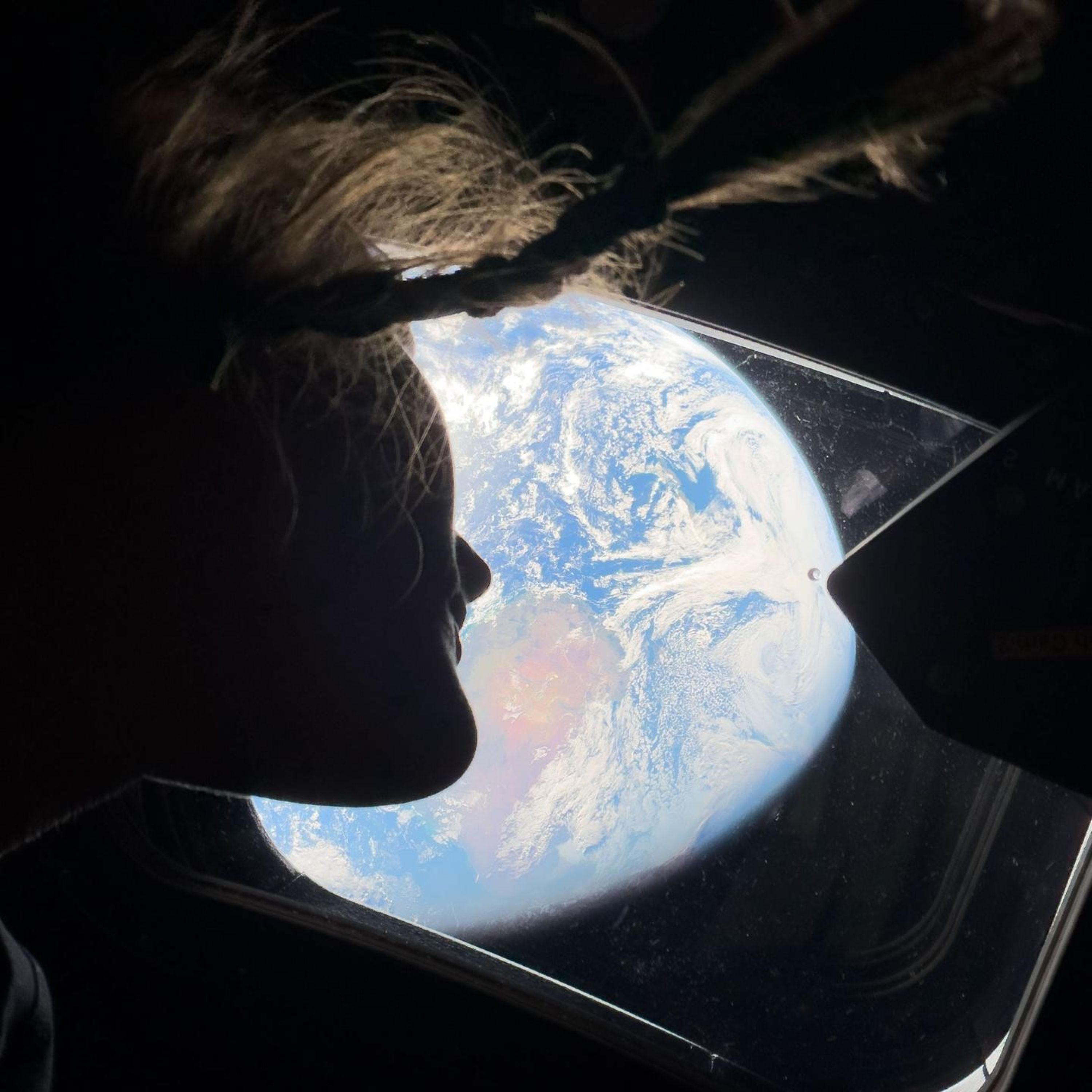
Artemis II and Human Factors in Deep Space
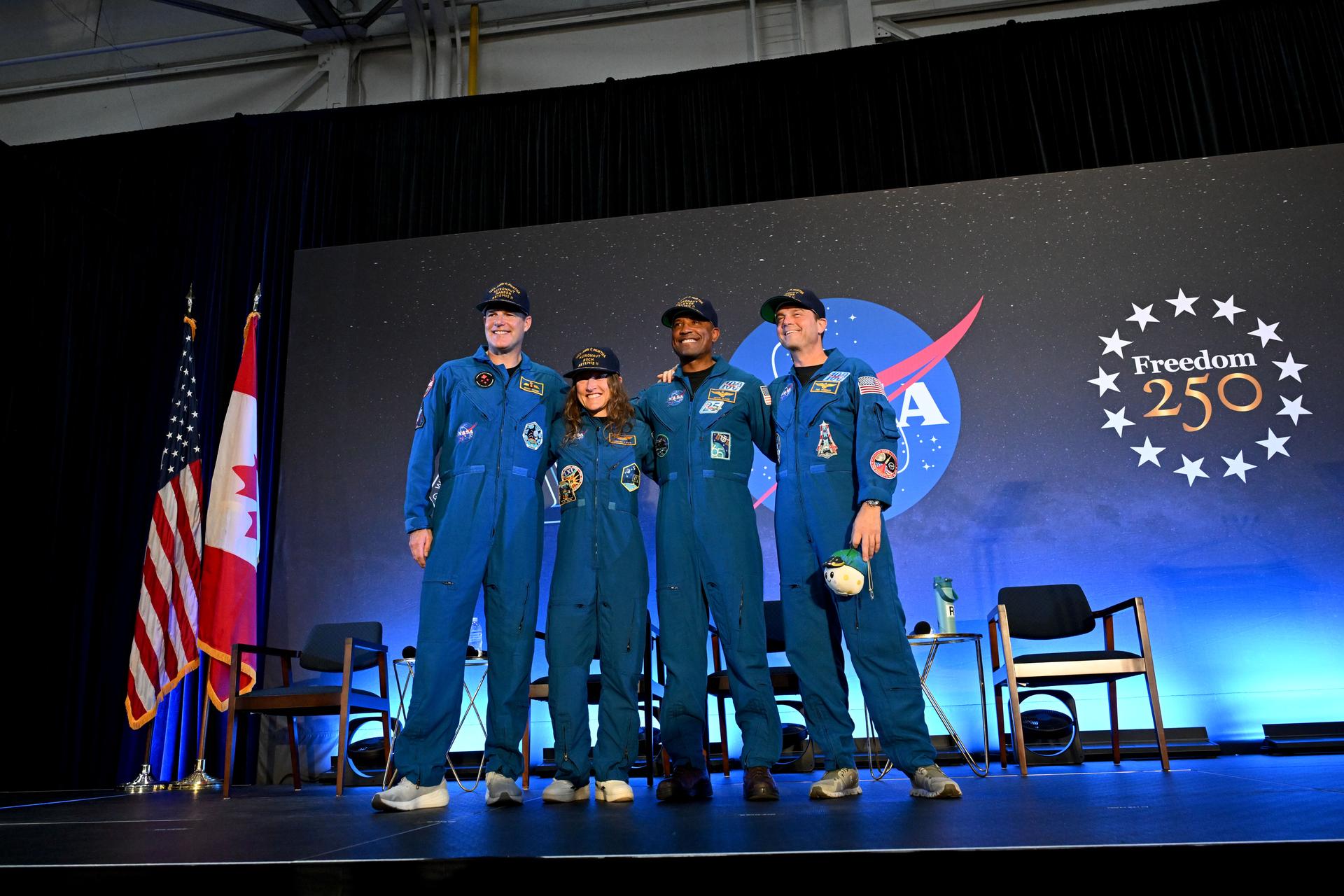
Artemis II Turned Human Factors Into Mission Data
Artemis II gave human factors practitioners a rare live test case. From launch through recovery, the mission showed how manual control, living conditions inside the spacecraft, crew health, communication loss, and recovery procedures shape performance as operations move farther from Earth.
NASA launched Artemis II on April 1, 2026 and recovered the crew on April 10. Between those dates, Orion carried four astronauts around the Moon, reached a record 252,756 miles from Earth, passed through a planned communications blackout behind the Moon, dealt with a toilet fault and a wastewater vent-line problem, ran crew health checks, and moved through a Navy recovery chain after splashdown. For this article, human factors means the parts of mission design that shape how people operate, live, and recover inside a complex system: controls, procedures, workload, living conditions, team coordination, and physiological limits. NASA’s Human Systems Integration Division describes long-duration exploration as requiring changes in the roles of astronauts and mission controllers to support autonomous operations.
That makes Artemis II useful well beyond space news. It offered a compact case study in control, autonomy, living and working conditions inside the vehicle, crew condition, and team handoffs under real operational pressure. Some of those same concerns came up before launch in Human Factors Cast episode E316 and episode E317, but the mission itself gave them a recent crewed example.
Manual control still mattered
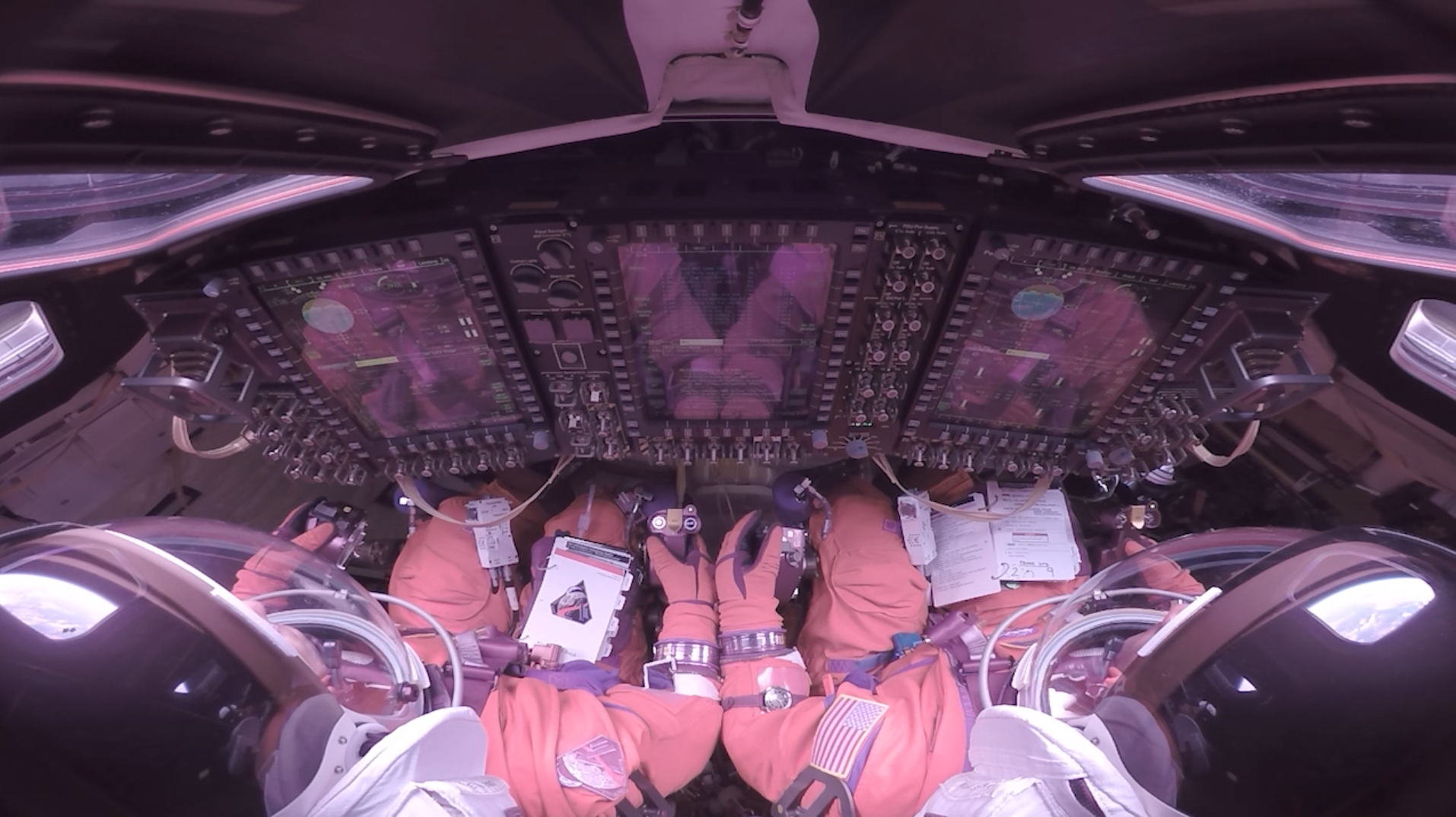
One of the mission’s first meaningful human-factors moments came right after launch. NASA had the crew complete a proximity operations demonstration using the interim cryogenic propulsion stage as a reference target. Over about 70 minutes, the astronauts flew a series of controlled approach and retreat maneuvers to gather data on how Orion behaved during manual close-range maneuvering. A few days later, NASA scheduled a deep-space piloting demonstration to collect more handling data before the lunar flyby.
The exercise mattered because automation only helps when crews understand what it is doing and can step in effectively when it does not. Manual control tests let teams evaluate vehicle response, control feel, and operator understanding before those skills are needed under pressure. That matters even more for later Artemis missions, where rendezvous, docking, and surface operations will add more complexity to the job.
Living and working conditions inside Orion stayed operational
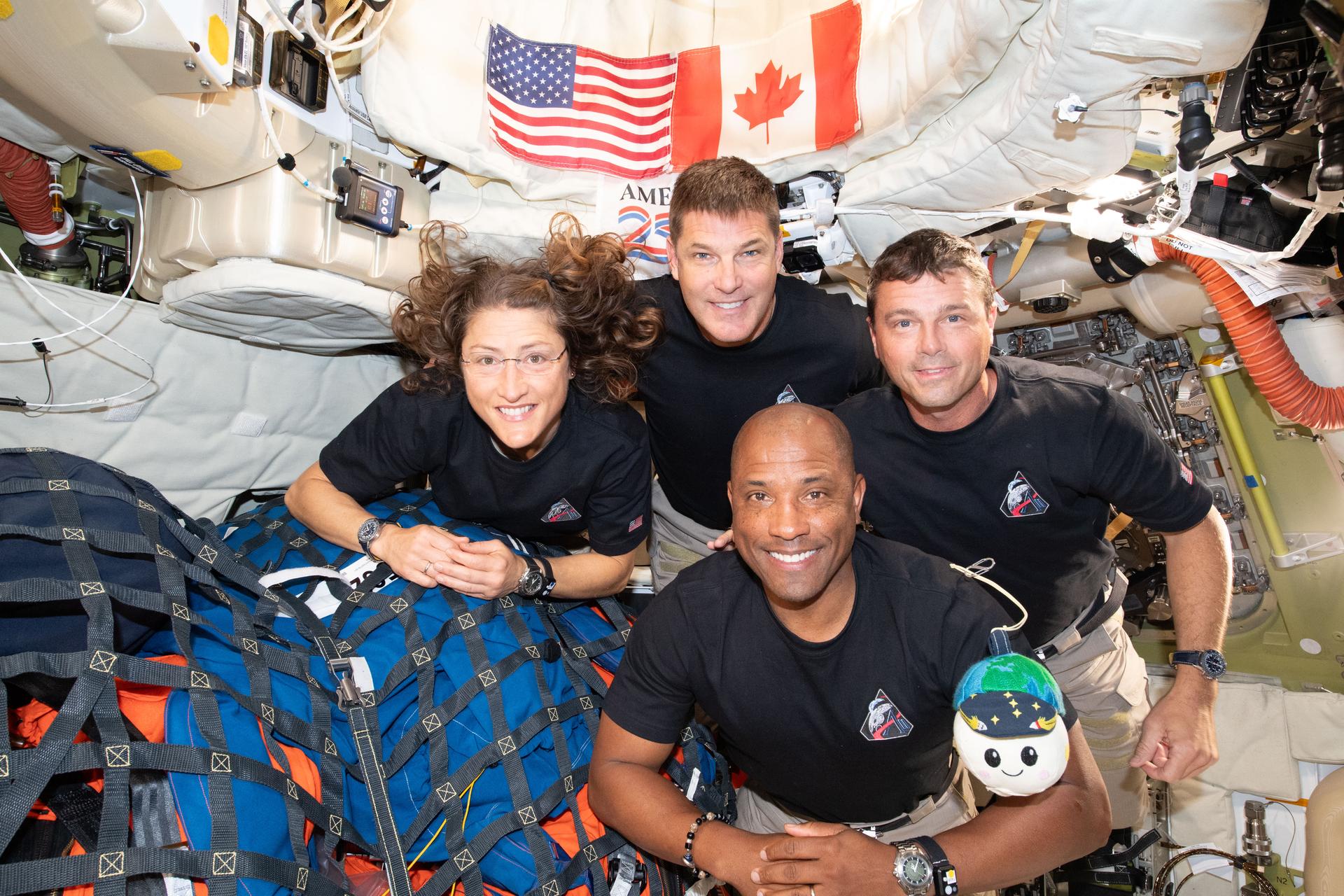
The toilet issue was easy to treat as comic relief. Operationally, it was not minor. On April 2, NASA reported that the crew had seen a blinking fault light during toilet checkout and worked with mission control to restore normal operations. By flight day 4, NASA said controllers were still trying to clear a wastewater vent line, warming the line, pointing the vent toward the Sun, and planning backup collection devices overnight if needed.
NASA’s Human Integration Design Handbook defines habitability as the set of features required for human occupancy, including body waste management, privacy, hygiene, physiological countermeasures, medical support, and sleep. That is a useful frame for reading this part of the mission. Waste management affects more than comfort. When a support system needs troubleshooting, crews and ground teams have to track another unresolved item, manage workarounds, and carry that uncertainty through the rest of the day’s tasks.
Behind the Moon, autonomy became an operating condition
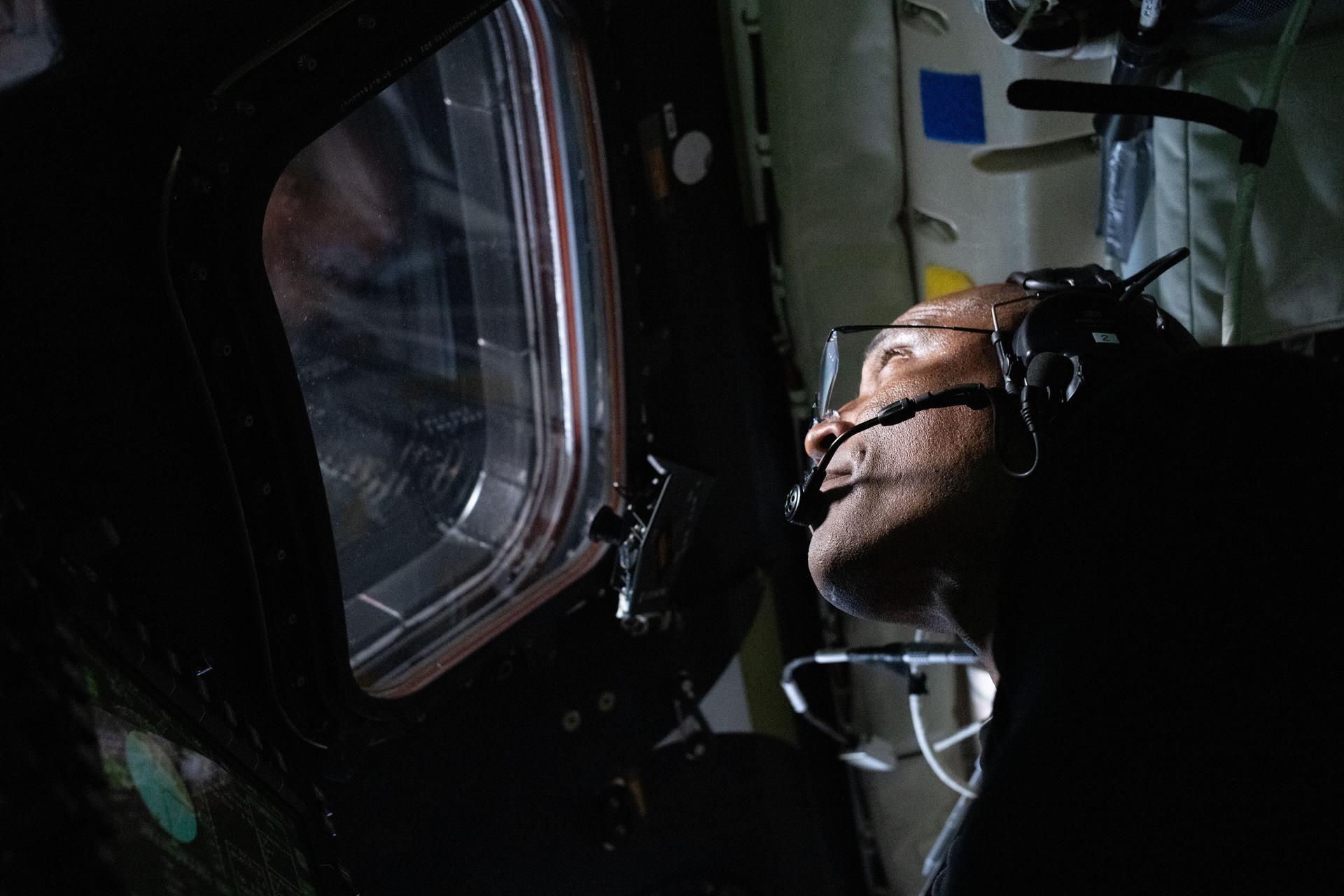
The lunar flyby on April 6 produced the mission’s most recognizable images, but the more useful lesson was operational. NASA logged Orion at a mission maximum of 252,756 miles from Earth and a closest approach of about 4,070 miles above the lunar surface. The crew also passed through a planned 40-minute communications blackout behind the Moon. NASA’s mission Q&A noted another constraint that shaped the flyby: window access inside Orion was limited, so the crew split into pairs during parts of the observation timeline.
This is where autonomy stops being a planning term and becomes an operational requirement. During the blackout, the crew could not rely on live back-and-forth with mission control. That raises familiar human-factors questions: whether procedures are clear, whether roles are well understood, and whether the crew can act confidently without immediate ground support. The work did not pause because the radio link dropped. The spacecraft still had to stay legible to the people inside it.
Crew condition stayed in scope
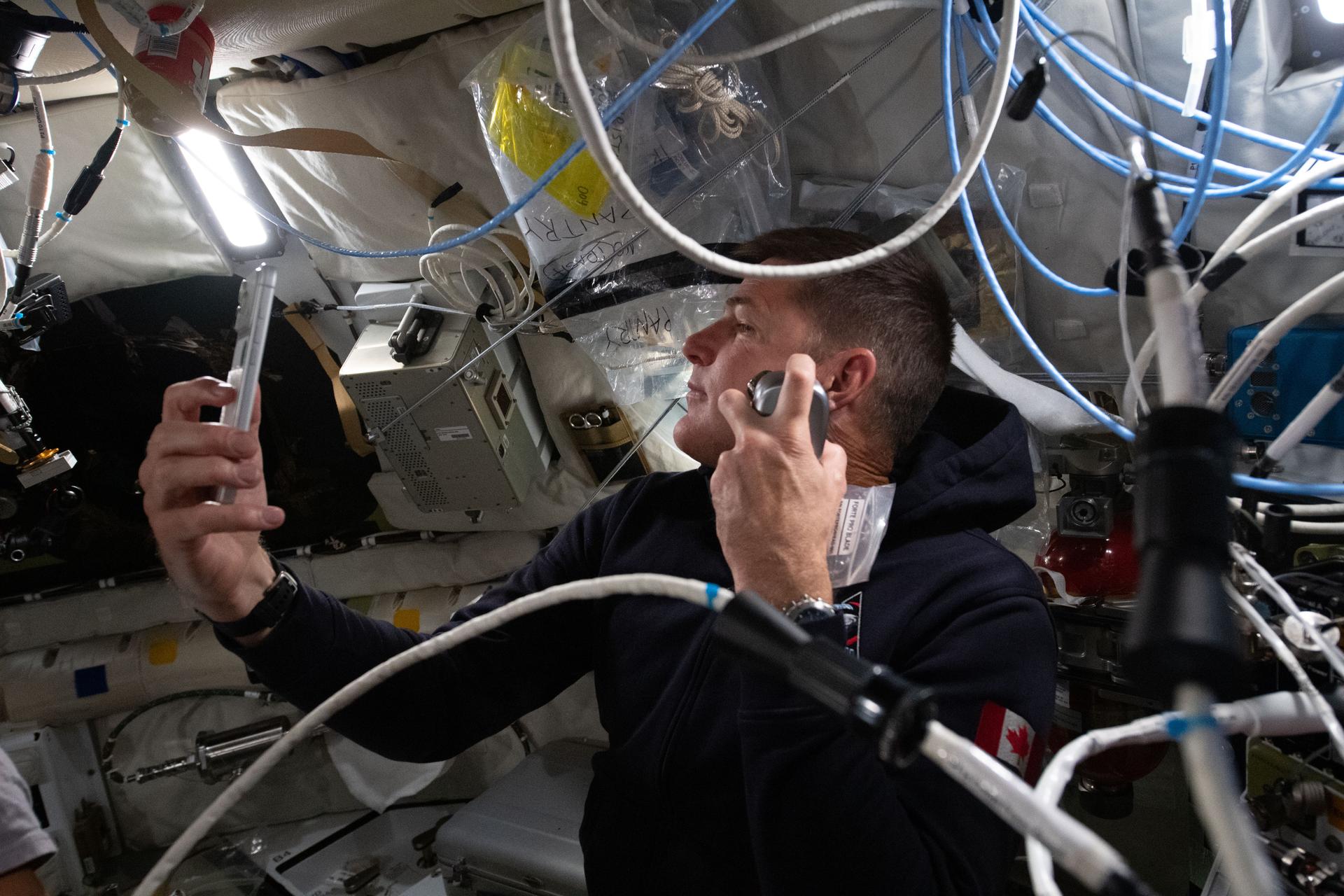
NASA’s reporting also made clear that the mission was tracking crew condition, not only vehicle performance. On flight day 4, NASA said the mission included a 24-hour acoustics test, actigraphy devices for wearable sleep and activity monitoring, and regular questions about conditions aboard Orion. NASA Ames later said its Human Systems Integration Division provided fatigue-countermeasure guidance to mission personnel and astronauts during Artemis II and sent researchers to observe anomaly recording, data analysis, and real-time decision-making during the mission.
Those details matter because noise affects sleep, sleep affects alertness, and alertness affects performance. In aerospace systems, fatigue problems rarely announce themselves politely. They show up as slower decisions, weaker monitoring, and avoidable coordination trouble.
On the way home, NASA also had all four astronauts test an orthostatic intolerance garment, designed to help maintain blood pressure during the return to gravity. The same update noted daily flywheel exercise, another reminder that physiological readiness remained part of the mission all the way through re-entry. Recovery is part of mission design because a safe return depends on how well crews tolerate the transition back to gravity, not only on getting the capsule through the atmosphere.
Recovery was a handoff problem as much as a spacecraft problem

Artemis II splashed down at 8:07 p.m. EDT on April 10. NASA then moved Orion through post-splashdown checks, diver operations, towing into the well deck of the USS John P. Murtha, crew extraction, and transport for medical evaluations. Reuters described re-entry as the riskiest segment of the mission and a major validation of Orion’s systems after the lunar flyby.
Recovery matters because it is structured around handoffs: spacecraft to water, water to divers, divers to ship, ship to medical and evaluation teams. Those transitions are designed work, and they are common places for coordination problems to surface. Artemis II is a good reminder that mission performance does not stop at the capsule hatch.
The mission also ran in public
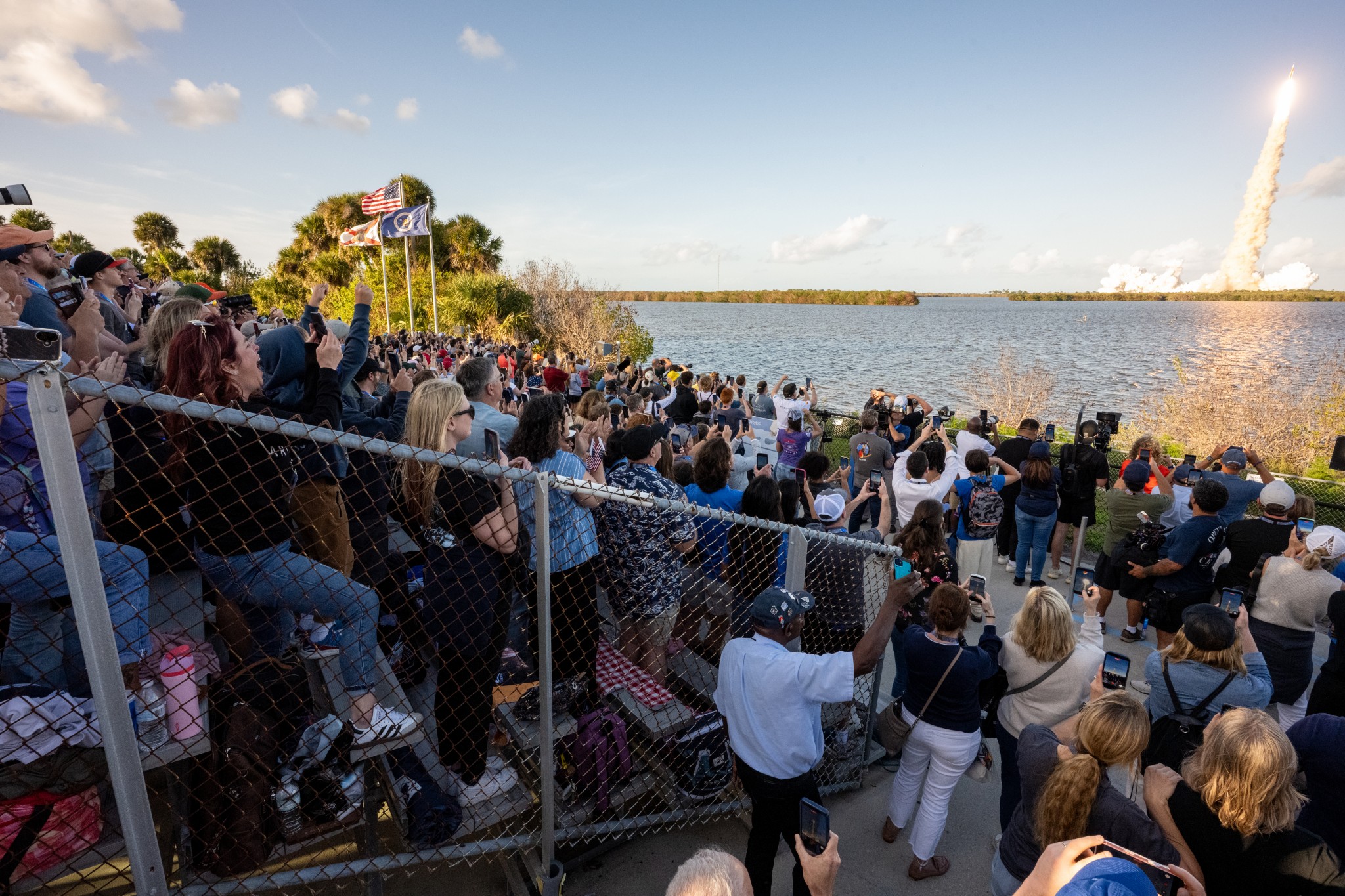
Artemis II unfolded under heavy public scrutiny, and that shaped the program context around it. Reuters reported that a Reuters/Ipsos poll during the mission found broad public excitement about space exploration and strong favorable views of NASA. Public trust does not change the spacecraft itself, but it does shape the environment around the program: political support, scrutiny, tolerance for delays, and the ability to sustain long-term work.
That point is easy to miss if the mission is framed only as a technical success. Artemis II also showed how a mission looks when it is being watched closely, interpreted in real time, and used as evidence for what comes next.
Why Artemis II matters to human factors
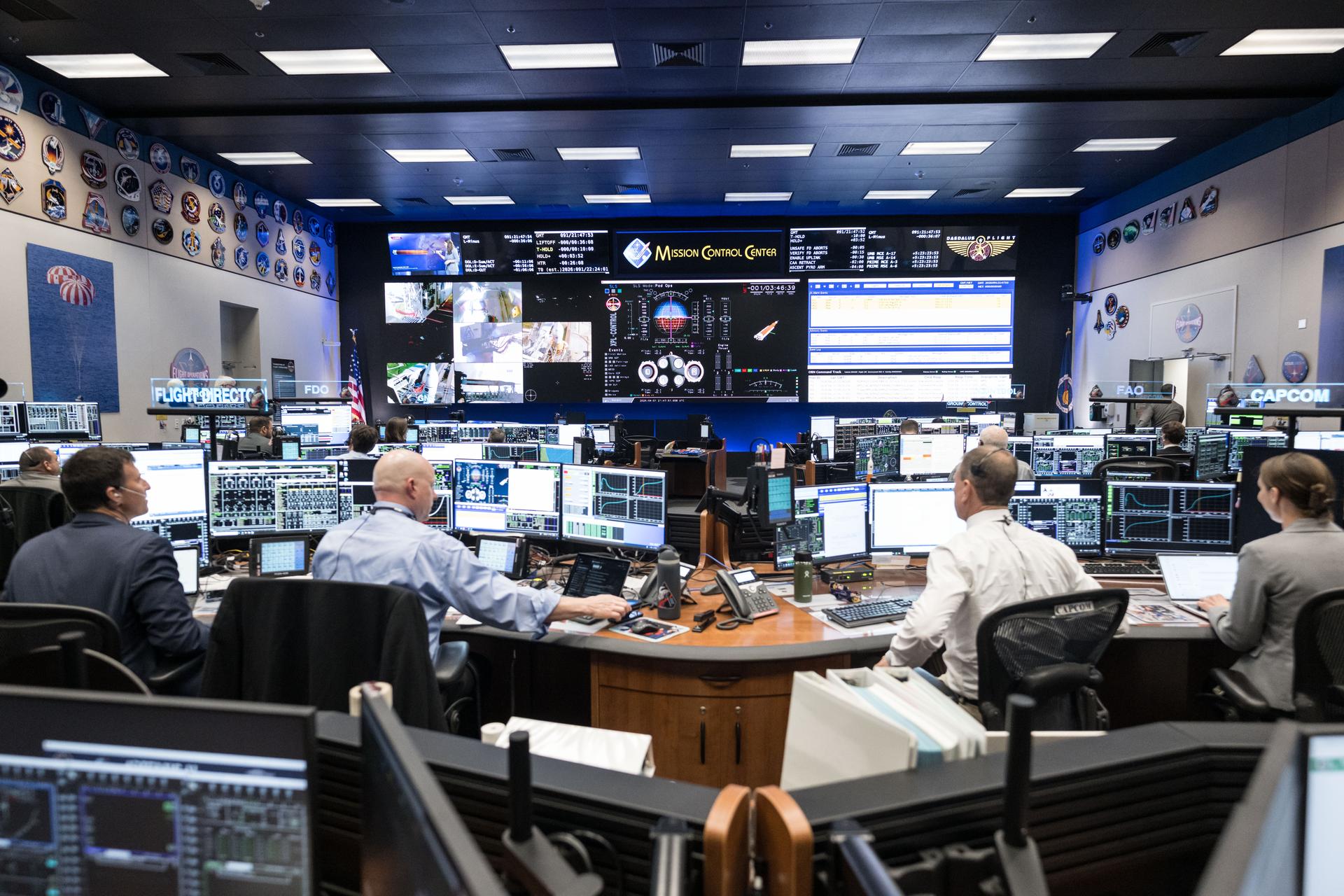
Artemis II did not settle larger questions about lunar mission pace, rescue capability, or how much complexity later missions should absorb. It did give those debates a recent crewed reference point. Within one mission, NASA had to manage manual control, communication loss, living conditions inside the vehicle, crew health, and a long recovery chain. That is a useful human-factors record.
Artemis II matters because it showed how crews and teams manage complexity across distance, uncertainty, and routine problems that can grow into operational distractions. That is the part of the mission worth keeping in view as later Artemis flights take shape.

Host and Producer
Nick Roome hosts and produces Human Factors Cast, a public science communication program of Human Factors Cast Foundation Limited. His work on the program focuses on making human factors, psychology, engineering, ergonomics, design, safety, and human-systems research accessible to practitioners, students, and the public.
Human Factors, UX, and Ergonomics Belong in the Same Conversation